
Deadly Nipah Virus Outbreak Sparks Fresh Health Alert as Authorities Rush to Contain Spread
Deadly Nipah virus outbreak: Learn in detail about the symptoms, causes, transmission, and preventive measures.
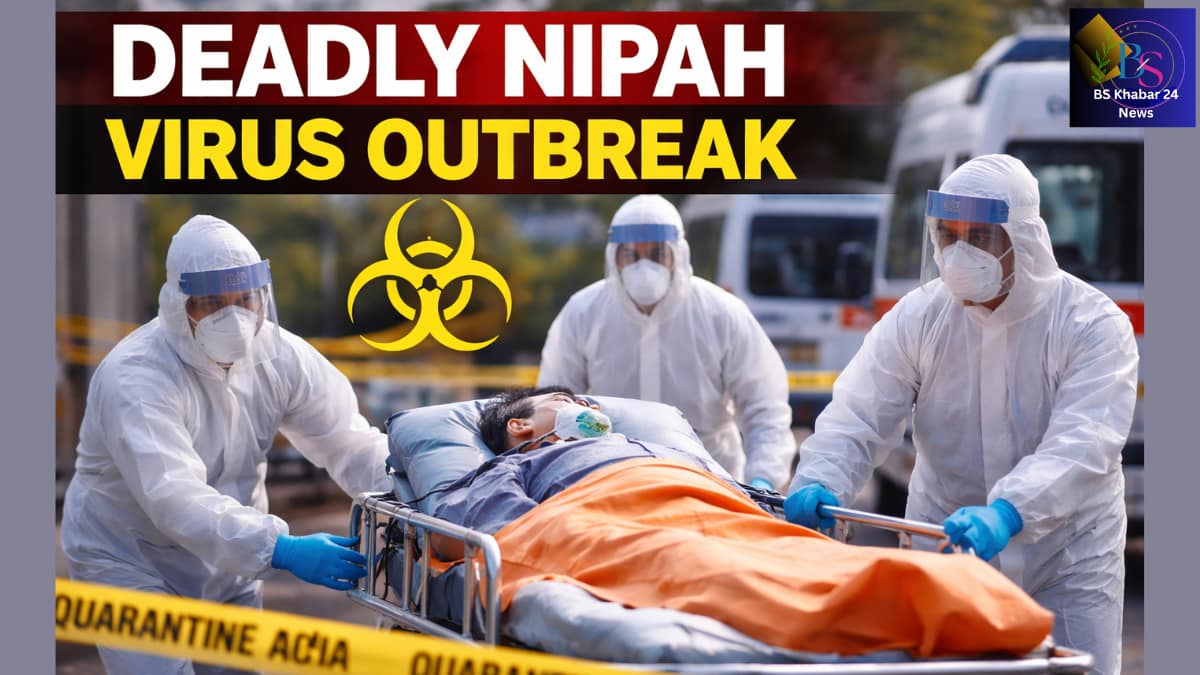
The deadly Nipah virus outbreak has once again triggered serious concern among health authorities, medical experts, and the general public. Known for its high fatality rate and lack of a specific cure, the Nipah virus is considered one of the most dangerous zoonotic diseases in the world. Every new outbreak brings with it fear, urgent containment measures, and renewed questions about preparedness.
Deadly Nipah virus outbreak Update
According to reports, two cases of the deadly Nipah virus have also been confirmed in India. The Telegraph and The Independent reported that Indian authorities have confirmed that two nurses at a private hospital near Kolkata in West Bengal have contracted the virus. According to the World Health Organization(WHO), the virus can cause a range of infections, from mild to severe, and its mortality rate is estimated to be between 40% and 75%.
What Is the Nipah Virus?
The Nipah virus (NiV) is a rare but extremely dangerous virus that spreads from animals to humans and can also transmit through human-to-human contact. Fruit bats, particularly of the Pteropus species, are the natural carriers of the virus. These bats often pass the virus to humans either directly or through contaminated food sources such as fruits or raw date palm sap.
First identified in 1998 during an outbreak in Malaysia, Nipah has since caused repeated outbreaks in South and Southeast Asia, especially in India and Bangladesh. The virus affects the brain and respiratory system, often leading to severe complications or death.
Why the Current Deadly Nipah Virus Outbreak Is Alarming
What makes every deadly Nipah virus outbreak particularly alarming is its high mortality rate, which can range from 40% to as high as 75% in some outbreaks. Unlike many viral infections, Nipah does not have a proven vaccine or antiviral treatment approved for widespread use.
Health officials are concerned not just because of fatalities, but because Nipah has the potential to cause outbreaks with limited warning. Symptoms can initially appear mild, making early detection difficult and increasing the risk of spread before isolation measures are enforced.
Symptoms to Watch Out For
Early symptoms of Nipah virus infection often resemble common viral illnesses, which makes it dangerous and easy to overlook. These include:
- Fever
- Headache
- Muscle pain
- Vomiting
- Sore throat
As the infection progresses, patients may experience dizziness, drowsiness, confusion, and acute encephalitis (brain inflammation). In severe cases, patients can slip into a coma within days. Respiratory symptoms such as coughing and breathing difficulty may also appear, increasing the risk of transmission.
How Does the Virus Spread?
The deadly Nipah virus outbreak typically spreads through several routes:
- Animal to human – Contact with infected bats or pigs.
- Food contamination – Consumption of fruits or raw palm sap contaminated by bat saliva or urine.
- Human to human – Close contact with infected individuals, particularly caregivers and healthcare workers.
Hospitals often become high-risk zones during outbreaks, which is why strict infection control protocols are critical.
Government and Health Response
During any Nipah outbreak, authorities usually move swiftly to contain the spread. Measures include contact tracing, isolation of infected patients, testing of suspected cases, and temporary restrictions in affected areas. Public advisories are issued urging people to avoid consuming partially eaten fruits, raw palm sap, and to report symptoms immediately.
Healthcare workers are placed on high alert, and emergency response teams are deployed to monitor the situation closely. Awareness campaigns play a crucial role in preventing panic while encouraging responsible behavior.
Why Nipah Remains a Global Threat
Although outbreaks are often localized, the deadly Nipah virus outbreak is viewed as a global health threat by organizations like the World Health Organization. The virus’s ability to mutate, its high fatality rate, and the absence of a vaccine place it on the WHO’s priority pathogen list.
In an interconnected world, even a regional outbreak has the potential to escalate if not contained quickly. This makes surveillance, early detection, and transparent reporting essential.
What Can the Public Do?
Public cooperation is key to stopping the spread. People living in or near affected regions should:
- Avoid eating fallen or partially eaten fruits
- Refrain from consuming raw palm sap
- Maintain good hand hygiene
- Avoid close contact with infected individuals
- Seek medical attention immediately if symptoms appear
Final Thoughts
Every deadly Nipah virus outbreak serves as a stark reminder of how vulnerable we remain to emerging infectious diseases. While medical science continues to work toward vaccines and treatments, prevention, awareness, and rapid response remain our strongest defenses. Staying informed and cautious is not just a personal responsibility—it is a collective one.


