
Cracker Barrel Travel Expense Policy: Why Employees Must Follow New Work Trip Meal Rules 2026
Cracker Barrel Travel Expense Policy Sparks Debate as Company Tightens Work Trip Spending
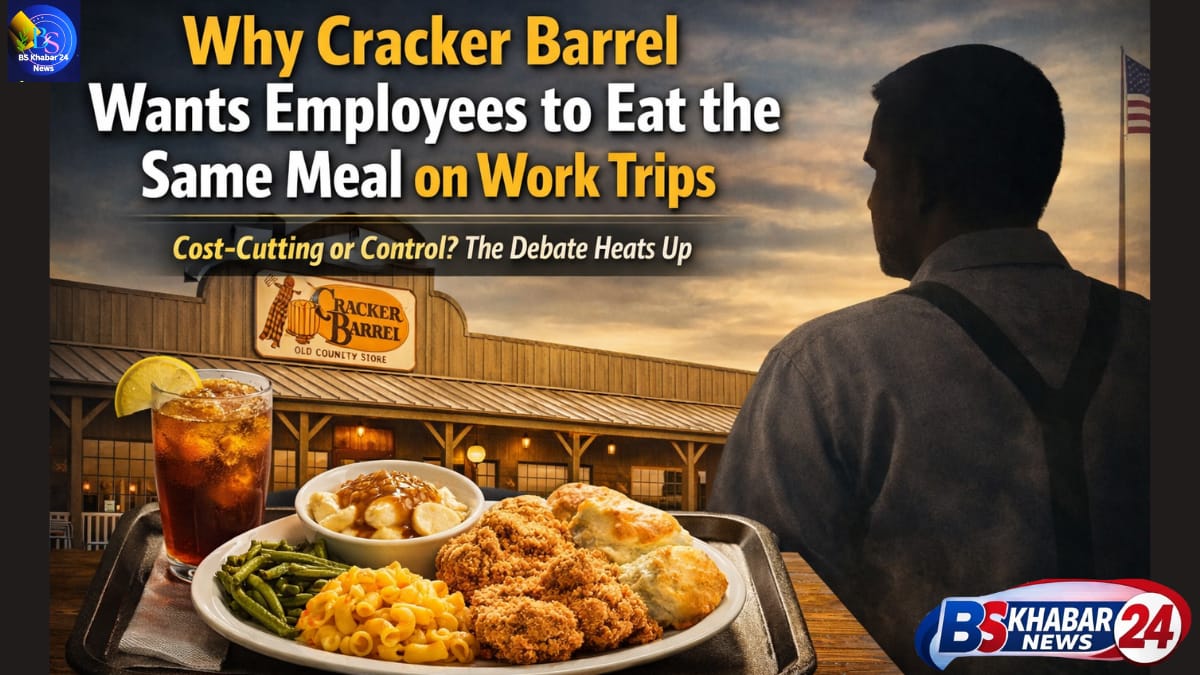
Cracker Barrel, the popular American restaurant chain known for its country-style meals and roadside charm, has found itself in the spotlight—not for its menu, but for a new internal rule tied to employee travel. The company’s updated Cracker Barrel travel expense policy has triggered discussion across corporate and retail circles, highlighting a growing trend of cost-cutting known as “travelscrimping.”
What Is the New Cracker Barrel Travel Expense Policy?
According to reports, Cracker Barrel has introduced a mandate requiring staff on work trips to follow stricter meal guidelines. Employees traveling for business are reportedly encouraged—or required—to eat at Cracker Barrel locations during their trips instead of dining elsewhere.
The policy is part of a broader effort to reduce company expenses as businesses across the U.S. face rising operational costs, inflation pressures, and tighter profit margins. By limiting meal reimbursements and steering employees toward company-owned restaurants, Cracker Barrel aims to keep travel spending under control.
While the rule may sound minor on the surface, it has opened a larger conversation about how companies manage employee travel in an era of budget discipline.
Why Companies Are Cutting Travel Costs
The Cracker Barrel travel expense policy reflects a wider corporate shift. After years of generous travel budgets, many firms are now rethinking how much they spend on flights, hotels, and meals.
Several factors are driving this change:
- Rising inflation has increased food and accommodation costs
- Slower consumer spending has pressured company revenues
- Post-pandemic travel normalization has brought scrutiny to expense claims
- Shareholder expectations are pushing firms to control overhead costs
In this environment, even small expenses—like daily meal allowances—are being closely examined.
Employee Reactions: Practical or Restrictive?
The policy has drawn mixed reactions. Some employees see the rule as a practical business decision. Since Cracker Barrel operates hundreds of locations across the U.S., finding a restaurant during travel is rarely difficult.
Others, however, argue that the policy limits personal choice and flexibility, especially during long work trips. Critics say that being required to eat the same type of meal repeatedly can feel restrictive and may affect morale.
There are also concerns about special dietary needs. While Cracker Barrel offers a wide menu, not all employees may find suitable options for health, religious, or personal reasons.
Travelscrimping: A Growing Corporate Trend
Experts describe policies like this as part of “travelscrimping,” a term used to describe cost-saving measures applied to corporate travel. This can include:
- Lower hotel reimbursement limits
- Economy-only flight bookings
- Reduced daily meal allowances
- Mandatory use of company services or partners
Cracker Barrel’s approach stands out because it ties employee meals directly to its own brand—a strategy that both cuts costs and promotes internal consumption.
Brand Image and Public Perception
For a consumer-facing brand like Cracker Barrel, internal policies can influence public perception. While cost efficiency appeals to investors, critics warn that overly strict rules could hurt employee satisfaction, which ultimately affects customer experience.
Cracker Barrel travel expense policy
Supporters of the policy argue that it aligns with Cracker Barrel’s identity. Asking employees to eat at the company’s own restaurants reinforces brand loyalty and familiarity with the menu.
Still, in the age of social media, internal policies can quickly become public talking points, turning routine cost measures into headline news.
What This Means for the Future of Corporate Travel
The Cracker Barrel travel expense policy may be a sign of what’s coming next for corporate America. As companies balance cost control with employee well-being, travel policies are likely to become more structured and transparent.
Some analysts believe future policies will include clearer guidelines, flexibility for dietary needs, and alternative options for extended trips. Others expect more companies to follow Cracker Barrel’s example by finding creative ways to reduce expenses without cutting travel entirely.
Final Thoughts
Cracker Barrel’s new travel expense policy is about more than where employees eat—it reflects a broader shift in how companies manage costs in uncertain economic times. While the policy may help the company save money, its long-term success will depend on how well it balances efficiency with employee comfort and morale.
As travelscrimping becomes more common, both workers and employers may need to adapt to a new normal where business travel is leaner, more structured, and closely monitored.


