
Reduce Tariffs on Indian Goods: Trump Links Trade Relief to Russian Oil Imports
Trump Reduce Tariffs on Indian Goods for Stopping Russian Oil Imports: A High-Stakes Global Trade Move
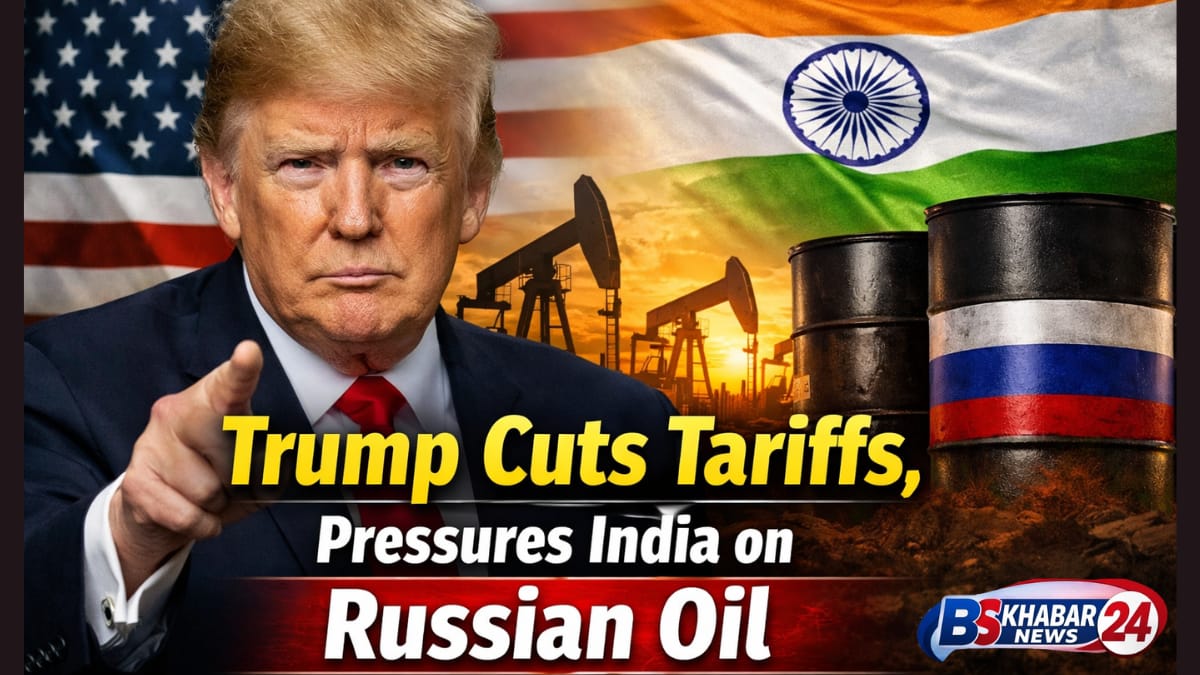
In a dramatic shift that could reshape global trade and geopolitics, former US President Donald Trump announced on Monday that the United States would reduce tariffs on Indian goods in exchange for India’s commitment to stop buying Russian oil. The announcement immediately triggered worldwide debate, raising questions about energy security, diplomacy, and the future of US-India relations.
Trump’s statement reflects his trademark hardline approach to foreign policy—using trade incentives and penalties as leverage to influence global behavior. But this move also highlights how deeply intertwined economics and geopolitics have become in a world increasingly divided by conflict and alliances.
US to Reduce Tariffs on Indian Goods
In a dramatic turn of events that could reshape global trade and geopolitics, US President Trump announced last Monday that if India promises not to buy Russian oil, the United States will reduce tariffs on Indian goods. This announcement has immediately generated controversy worldwide. Let’s start the discussion on this topic.
A Strategic Deal With Global Implications
According to Trump, the tariff reduction is part of a broader effort to isolate Russia economically amid ongoing international tensions. Russian oil exports have remained a crucial revenue source for Moscow, even as Western nations imposed strict sanctions following the Ukraine conflict. India, one of the world’s largest energy consumers, has continued purchasing discounted Russian oil to meet its growing demand.
Trump’s proposal aims to disrupt that flow.
By offering lower tariffs on Indian exports to the US, Trump is effectively telling New Delhi: choose between cheaper Russian oil or better access to the American market. It’s a calculated move—one that places India at the center of a major global power struggle.
Why India Matters to the US
India is a critical trade partner for the United States, exporting billions of dollars’ worth of goods annually, including pharmaceuticals, textiles, machinery, and IT services. Tariffs imposed during previous trade disputes had strained relations, affecting Indian exporters and American importers alike.
Reducing tariffs could provide significant relief to Indian businesses while strengthening economic ties between the two democracies. At the same time, Trump’s demand puts pressure on India to rethink its energy strategy, which has relied heavily on affordable Russian crude in recent years.
Energy vs Diplomacy: India’s Dilemma
For India, the decision is far from simple.
Russian oil has helped India manage inflation and keep fuel prices stable for millions of citizens. Walking away from these imports could increase costs and force India to seek alternative suppliers in the Middle East or the US—often at higher prices.
However, improved trade relations with Washington could boost exports, attract investment, and reinforce India’s position as a key US ally in the Indo-Pacific region. The choice ultimately comes down to balancing short-term energy needs with long-term strategic partnerships.
Trump’s Signature Pressure Politics
This announcement fits neatly into Trump’s well-known political playbook. During his presidency, he frequently used tariffs as a bargaining tool—whether targeting China, the European Union, or close allies. His message has always been clear: economic power equals political influence.
By linking tariff relief to energy decisions, Trump is once again signaling that the US is willing to reward compliance and punish defiance. Supporters see this as strong leadership; critics argue it risks destabilizing global markets and undermining diplomatic norms.
Global Reactions and Market Impact
The news sent ripples through global markets. Energy analysts are closely watching how India responds, as any reduction in Russian oil purchases could affect global oil prices. Meanwhile, trade experts believe Indian exporters—especially in manufacturing and pharmaceuticals—stand to gain significantly if tariffs are rolled back.
Russia, on the other hand, could face additional economic pressure if one of its largest oil buyers steps back. This would align with broader Western efforts to curb Moscow’s revenue streams.
What Happens Next?
While Trump’s announcement has made headlines, much remains uncertain. It is unclear how quickly tariff reductions would be implemented or how binding India’s commitment on Russian oil would be. Diplomatic negotiations, trade agreements, and political considerations on both sides will play a crucial role in shaping the final outcome.
What is clear, however, is that this move underscores a growing reality: trade, energy, and geopolitics are no longer separate conversations. They are deeply connected—and decisions in one area can trigger consequences across the globe.
The Bigger Picture
Trump’s tariff-for-oil proposal is more than a trade deal. It’s a signal of how future global negotiations may unfold—where economic incentives are directly tied to political and strategic alignment. Whether India accepts the offer or charts a different course, the decision will have lasting implications for international relations.
As the world watches closely, one thing is certain: this bold move has once again placed Donald Trump at the center of global debate—and forced India to navigate one of its most complex diplomatic challenges yet.


