
Oklahoma Lawmaker Antics Go Viral in New Social Media Trend
Oklahoma Lawmaker Antics Go Viral as Social Media Turns Politics into a Game
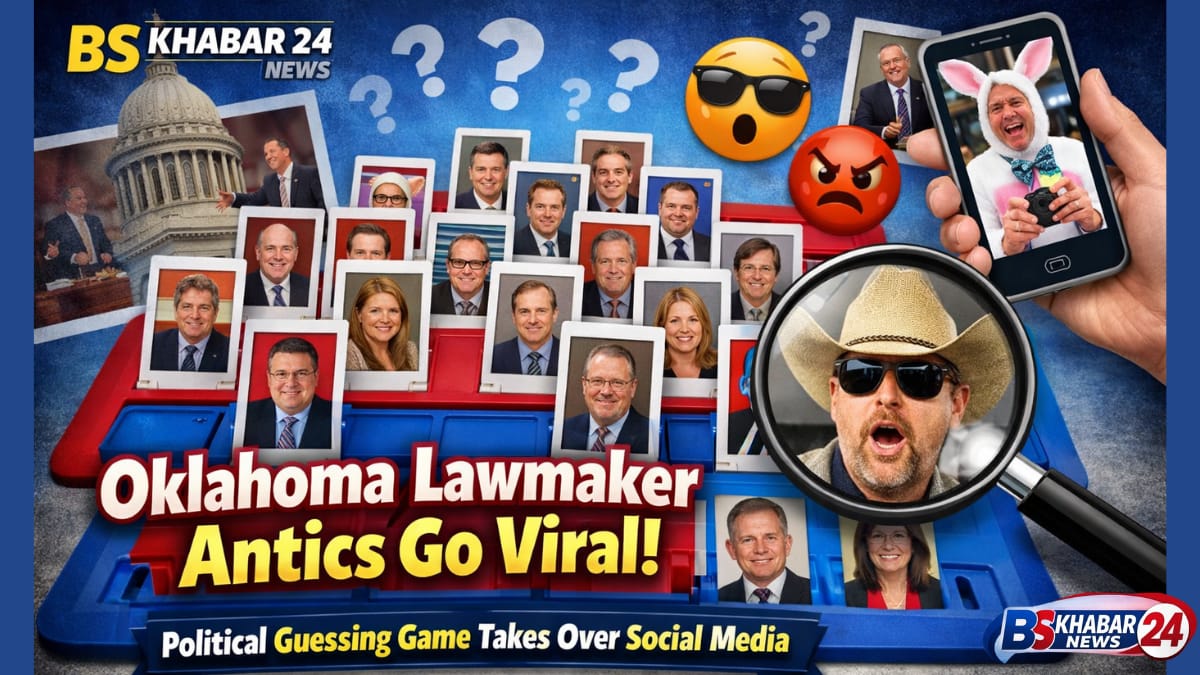
Politics is often serious business, but recent Oklahoma lawmaker antics have taken an unexpectedly playful turn. A growing online trend is transforming real-life political behavior into a satirical guessing game—proving once again that in the digital age, lawmakers are never far from public scrutiny.
What started as lighthearted political humor has now evolved into a viral phenomenon, blending pop culture, social media creativity, and political accountability. The trend uses the familiar mechanics of the classic “Guess Who?” board game to track, compare, and mock the actions of Oklahoma legislators, especially those involved in controversial statements or eyebrow-raising decisions. Let’s delve into this in more detail.
From Capitol Floors to Viral Feeds
The rise of this trend highlights how political engagement is changing. Instead of lengthy opinion columns or formal debates, citizens are using humor and visuals to comment on governance. Memes, parody graphics, and short videos are being shared across platforms like X (formerly Twitter), Instagram, and TikTok, all pointing toward notable Oklahoma lawmaker antics.
Each post challenges viewers to guess which lawmaker made a particular comment, supported a controversial bill, or appeared in an awkward public moment. While the tone is humorous, the underlying message is serious: voters are paying attention.
Why Oklahoma Lawmakers Are in the Spotlight
Oklahoma politics has long been known for strong ideological divides, but recent legislative sessions have intensified public interest. Heated debates over education policies, social issues, and governance reforms have placed lawmakers under a microscope.
As a result, even small missteps quickly gain traction online. A single speech clip, social media post, or public comment can spark thousands of reactions. The guessing-game format makes these moments easier to digest, especially for younger audiences who may otherwise avoid political news.
This is why Oklahoma lawmaker antics are resonating far beyond state borders, turning local politics into a national conversation.
Humor as a Tool for Accountability
Supporters of the trend argue that satire plays an important role in democracy. By framing political behavior in a humorous way, people feel more comfortable engaging with complex issues. It lowers the barrier to entry and encourages discussion among those who might not follow traditional news outlets.
Critics, however, worry that reducing politics to a game risks oversimplifying serious matters. They argue that constant mockery could erode respect for public institutions. Still, even critics admit that the trend has succeeded in drawing attention to lawmakers’ actions in ways conventional reporting often cannot.
Lawmakers React—Or Stay Silent
So far, reactions from Oklahoma legislators have been mixed. Some have ignored the trend entirely, hoping it fades away. Others have criticized it as disrespectful or misleading. A few, however, have embraced the humor, responding with jokes of their own or acknowledging the public’s creativity.
This range of responses only fuels further interest. Every reaction—or lack of one—becomes part of the ongoing narrative around Oklahoma lawmaker antics, reinforcing the idea that transparency is no longer optional in the digital era.
The Role of Social Media in Modern Politics
This viral guessing-game trend is a reminder of how powerful social media has become in shaping political discourse. Platforms that once focused on entertainment now serve as arenas for civic engagement. A meme can travel faster than a press release, and a parody can reach audiences that official statements never will.
For Oklahoma lawmakers, this means adapting to a new reality. Public image is no longer managed solely through traditional media or campaign messaging. Every action is potentially content, and every comment can become a viral moment.
What This Means for Voters
For voters, the trend offers both opportunity and responsibility. While humor makes politics more accessible, it’s still important to verify facts and understand the full context behind viral posts. Satire works best when paired with awareness.
Ultimately, the popularity of this trend shows that people care deeply about how they are represented. Oklahoma lawmaker antics may be entertaining, but they also serve as a mirror—reflecting public expectations for accountability, transparency, and integrity.
Conclusion
The transformation of Oklahoma politics into a viral guessing game marks a shift in how citizens engage with power. Whether viewed as harmless fun or sharp political commentary, the trend underscores a clear message: lawmakers are being watched, judged, and discussed in real time.
In today’s connected world, politics is no longer confined to legislative chambers. Sometimes, it’s played out one guess at a time—and Oklahoma lawmakers are firmly on the board.


